

 English



How to Prevent the 6 Most Common Healthcare-Associated Infections
Learn how to prevent hospital-associated infections with this guide on preventing healthcare-associated infections. We cover 7 key strategies for major HAIs.
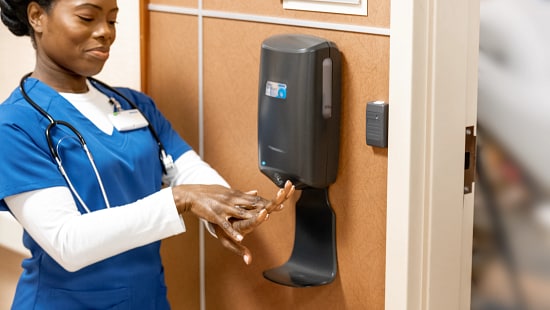
The risk of infection is a major concern in healthcare settings. Infections can complicate medical care, resulting in longer hospital stays and an increased risk of severe illness or even death. Understanding how to prevent hospital-associated infections (HAIs) is crucial for patient safety, and hand hygiene is a cornerstone of every prevention strategy. In our last blog (could link), we discuss the most common HAIs and their symptoms.
Here, we will highlight the critical role of hand hygiene in preventing these 6 common HAIs, along with other key prevention efforts:
1. Prevention of Central Line-Associated Bloodstream Infections (CLABSI)
Central lines are essential for patient care but pose a risk for bloodstream infections. Rigorous hand hygiene before catheter insertion and during maintenance is fundamental to reducing infection risk. In addition, removing the central lines when no longer needed, the use of chlorhexidine-impregnated dressings, and daily chlorhexidine baths for patients with central lines further minimize infection chances. Combined with hand hygiene, these measures help prevent CLABSIs.
2. Prevention of Catheter-Associated Urinary Tract Infections (CAUTI)
Urinary tract infections, especially CAUTIs, are common among ICU patients with indwelling urinary catheters. Strict hand hygiene when inserting, maintaining or removing catheters is essential to prevent contamination. Limiting catheter use and duration, following aseptic techniques, and daily maintenance of catheters all work together with hand hygiene to reduce CAUTIs.
3. Prevention of Surgical Site Infection (SSI)
Most surgical site infections are caused by bacteria entering through the surgical wound during procedures. Hand hygiene for all staff involved in surgery, both before and after contact with the patient or surgical site, is vital. The use of prophylactic antibiotics, proper skin preparation, and wound management are other parts of preventing SSI along with stringent hand hygiene.
4. Prevention of Ventilator-Associated Pneumonia (VAP)
Ventilator-associated pneumonia (VAP) is a serious concern for patients requiring mechanical ventilation. Hand hygiene before any airway management or patient contact dramatically reduces the risk of introducing pathogens. Elevating the head above 30 degrees, regular oral care, and clearing secretions are important protocols that, alongside hand hygiene, help prevent VAP.
5. Prevention of Methicillin-Resistant Staphylococcus Aureus (MRSA)
MRSA spreads easily through contact with contaminated surfaces and can cause infections if bacteria enter cuts or wounds. Strict hand hygiene, especially before and after patient contact or handling contaminated items, is a primary preventive measure. Proper use of personal protective equipment (PPE), regular cleaning and disinfection of the environment, early identification and isolation, and responsible antibiotic stewardship are also key strategies for MRSA prevention.
6. Prevention of Clostridioides difficile (C. diff)
C. diff is a prevalent HAI, often spread by poor cleaning and antibiotic misuse. Unlike other pathogens, C. diff spores are not killed by alcohol-based hand sanitizers, making handwashing with soap and water the preferred method of hand hygiene. Taking antibiotics only when necessary and making sure equipment and the environment are properly cleaned and disinfected are also essential for prevention of C. diff.
Conclusion
Preventing the most common HAIs requires a system-wide approach where hand hygiene is consistently prioritized. Along with aseptic techniques, effective cleaning and disinfection, timely removal of invasive devices, and strong antibiotic stewardship, hand hygiene remains the easiest and most effective strategy for preventing HAIs.
Contact Ecolab to receive more information on Hand Hygiene. The Ecolab® hand hygiene program provides a comprehensive solution designed to help you monitor and comply with hand hygiene processes, leading to measurable improvements in clinical, operational and financial metrics. With this compliance monitoring system, you can accurately track hand hygiene events by individual healthcare workers, ensuring accountability and actionable insights for improvement.
About the Author
About the Author

Ecolab Healthcare
Ecolab Healthcare is driven to help health systems and hospitals realize clinical, operational and financial value through a programmatic approach to hospital cleaning through repeatable and measurable workflows.