At Ecolab, we partner with customers to help keep their operations clean, safe and healthy by protecting people and the resources vital to life. We work to support food safety and infection prevention efforts across customer operations.
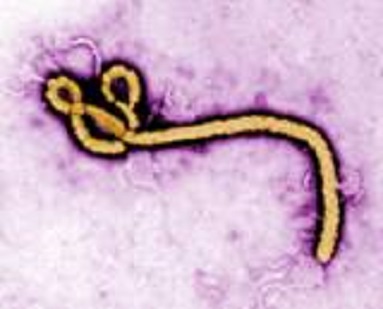
Read on to learn what Ebola disease is, how it spreads, what public health authorities recommend, and steps you can take to help reduce risk.